
For Australian and New Zealand vineyard and broadacre agriculture applications, UV-stabilized PVC layflat hose (4–10 bar) and polyurethane (PU) or nitrile-reinforced spray hose are the industry standard, engineered to meet AS/NZS 4130 (PE pipe) and AS 1462 (PVC pipe) reference frameworks alongside chemical-resistance requirements for fungicide/pesticide spraying. Key sourcing criteria: UV stabilization for high-UV-index climates (Australia averages UV Index 11+ in summer), chemical compatibility with copper- and sulfur-based vineyard sprays, and compliance with AQIS/biosecurity import documentation. Bulk buyers should prioritize suppliers offering AS/NZS-aligned test data and container-load (FCL) pricing to Melbourne, Adelaide, Auckland, or Tauranga ports.
Market Context: Why ANZ Vineyard and Farm Hose Sourcing Is Distinct
Australia and New Zealand’s viticulture and agriculture sectors — spanning the Barossa Valley, Margaret River, Hunter Valley, Marlborough, and Hawke’s Bay — combine some of the world’s highest UV exposure levels with strict biosecurity import controls and heavy reliance on chemical spray programs (fungicide, herbicide, foliar feed). This creates three sourcing priorities that differ from other export markets:
- UV degradation resistance is non-negotiable — Australia’s BOM records summer UV Index readings regularly exceeding 11 (extreme) across major viticulture regions.
- Chemical resistance to copper oxychloride, sulfur, and glyphosate-based formulations is required for spray hose, as standard PVC compounds can degrade or leach under repeated chemical contact.
- Biosecurity compliance — all imported hose products must clear Australian Department of Agriculture (DAFF) or New Zealand MPI import inspection, with documentation on packaging materials and any wood/organic packing components.
Core Product Categories for ANZ Distribution
| Hose Type | Primary Application | Working Pressure | Chemical Resistance | Typical Roll Length |
|---|---|---|---|---|
| PVC Layflat Hose | Vineyard water transfer, irrigation supply | 4–10 bar | Low-Moderate | 50–100m |
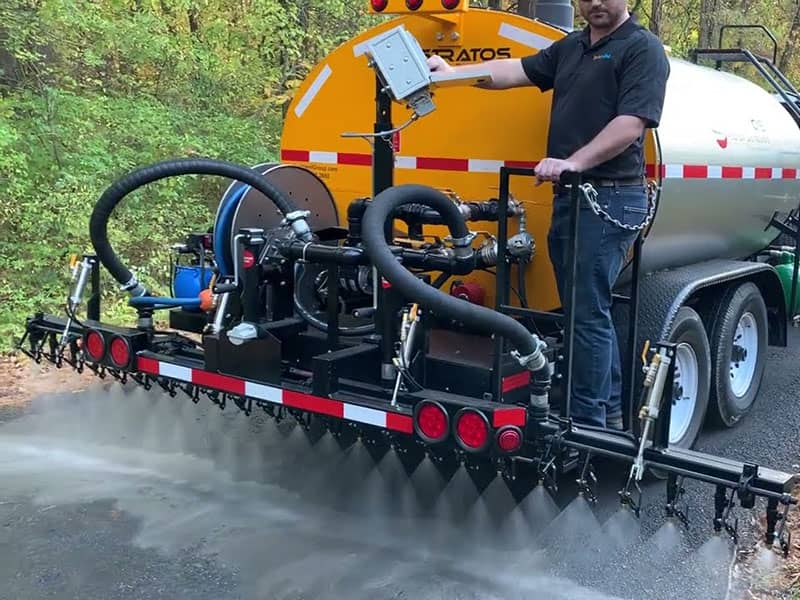
| PU/Nitrile Spray Hose | Fungicide/pesticide spraying (tractor-mounted) | 20–40 bar | High | 50–200m coils |
| PE Drip Lateral | Row-crop and vineyard drip irrigation | 1–2.5 bar | Moderate | 100–500m |
| Suction & Delivery Hose | Dam/bore water transfer, tanker filling | Vacuum to 6 bar | Moderate | 10–30m |
Recommended hose portfolio for vineyards
A B2B distributor should organize its product range by application, not merely by material.
| Hose category | Typical vineyard application | Key specification focus | Procurement priority |
|---|---|---|---|
| PVC layflat hose | Flexible irrigation water conveyance | Diameter, working pressure, connection compatibility | High |
| Reinforced PVC water hose | Water transfer and flexible connections | Reinforcement, pressure, flexibility | High |
| Rubber water hose | Heavy-duty agricultural water service | Material construction, abrasion resistance, pressure | Medium–High |
| Chemical transfer hose | Fertilizer or pesticide handling, where applicable | Chemical compatibility, fluid temperature, pressure | Application-specific |
| Drip irrigation tubing | Water application to vines | Emitter configuration, flow rate, filtration | System-specific |
| Washdown hose | Equipment and facility cleaning | Pressure, temperature, handling | Medium |
Important: Chemical compatibility must be verified against the actual chemical formulation. A hose suitable for water is not automatically suitable for agricultural chemicals.
Recommended Technical Specifications for Bulk Procurement
| Parameter | Recommended Spec | Rationale |
|---|---|---|
| Material | PVC / PU-nitrile blend (spray) / HDPE (drip) | Matches application-specific pressure and chemical demands |
| UV Stabilizer Content | ≥2.5% HALS or UV-masterbatch | Withstands sustained UV Index 11+ exposure without embrittlement |
| Chemical Resistance | Rated for copper, sulfur, glyphosate contact | Standard in vineyard fungicide/herbicide programs |
| Burst Pressure (spray hose) | Minimum 3x rated working pressure (≥60–120 bar) | High-pressure tractor sprayer safety margin |
| Applicable Standards | AS/NZS 4130, AS 1462 (reference), ISO 8779 | Recognized benchmark for pipe/hose material performance |
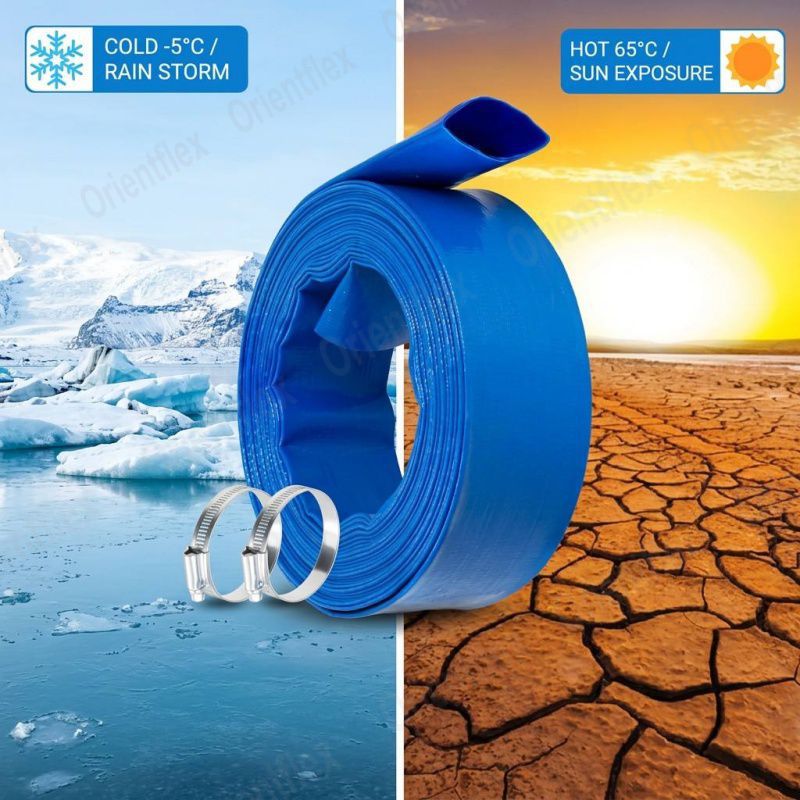
| Operating Temperature Range | -5°C to 65°C | Covers alpine-adjacent cool nights to inland summer heat |
| Biosecurity Documentation | Fumigation/packaging compliance certificate | Required for DAFF/MPI customs clearance |
Sourcing Checklist for Importers and Wholesalers
- Request independent test reports — UV weathering (ASTM G154 or equivalent) and burst-pressure data from SGS, Intertek, or an equivalent accredited lab.
- Confirm chemical compatibility data — Ask suppliers for compound resistance charts covering copper oxychloride, sulfur, and common systemic fungicides used in ANZ viticulture.
- Verify factory production scale — Look for suppliers with documented monthly extrusion capacity (commonly 400,000–1,000,000 meters/month for mid-to-large facilities) to ensure consistent supply for repeat orders.
- Check biosecurity/packaging compliance — Confirm ISPM-15 compliant packaging (if wood pallets/crates are used) and clean documentation to avoid DAFF/MPI border delays.
- Confirm fitting/thread standards — ANZ irrigation infrastructure commonly uses BSP threading; camlock fittings are standard for transfer and suction hose — confirm compatibility before order confirmation.
- Negotiate MOQ and Incoterms — Typical entry MOQ: 5,000–10,000m (trial); FCL container pricing (20ft/40ft) for volume buyers, with FOB or CIF terms to Melbourne, Adelaide, Fremantle, Auckland, or Tauranga.
- Request pre-shipment sample trials — A single growing-season field trial (spray season or irrigation season) is standard practice before committing to annual supply contracts.
Common Failure Points in Non-Specialized Hose Imports
- Chemical leaching/swelling: Generic PVC or rubber compounds not rated for copper/sulfur spray chemicals swell or degrade within a single spray season, causing pressure loss and premature failure.
- UV embrittlement: Hose without adequate UV-stabilizer loading cracks and splits after one Australian summer, well short of the 3–5 year service life expected by commercial vineyard operators.
- Fitting mismatch: Suppliers defaulting to NPT or metric threading create compatibility issues with existing camlock and BSP-based ANZ farm infrastructure.
- Biosecurity documentation gaps: Missing or incomplete fumigation certificates are among the most common causes of customs hold-ups at Australian and New Zealand ports.
FAQ
Q1: What working pressure is standard for vineyard spray hose in Australia and New Zealand?
A: Tractor-mounted spray systems typically operate at 20–40 bar working pressure, and hose should carry a minimum 3:1 safety margin against burst pressure, translating to a burst rating of roughly 60–120 bar.
Q2: How does UV exposure in Australia affect hose material selection compared to other markets?
A: Australia’s summer UV Index frequently exceeds 11 (extreme) in major viticulture regions, well above levels in temperate export markets. This requires a minimum 2.5% UV stabilizer loading (HALS or equivalent) to achieve a 3–5 year outdoor service life versus 12–18 months for non-stabilized hose.
Q3: Is standard PVC hose suitable for fungicide and pesticide spraying?
A: Generally no. Standard PVC compounds are not formulated for sustained contact with copper-, sulfur-, or systemic-fungicide-based spray chemicals and may swell, soften, or leach plasticizers. PU or nitrile-reinforced spray hose with documented chemical resistance is recommended.
Q4: What biosecurity documentation is required to import hose products into Australia or New Zealand?
A: Shipments must meet DAFF (Australia) or MPI (New Zealand) import requirements, including ISPM-15 compliant wood packaging (where applicable) and fumigation/treatment certification to avoid customs holds.
Q5: What is a typical minimum order quantity (MOQ) for ANZ wholesale buyers?
A: Trial orders typically start at 5,000–10,000 meters, with full container load (FCL) pricing available at 20,000+ meters, depending on hose diameter and roll configuration.
Request a Quotation
For chemical-resistance test data, UV weathering reports, and FOB/CIF pricing tailored to Australian and New Zealand port destinations, contact our export sales team with your target application (spray, drip, or transfer), volume requirements, and destination port. Qualified B2B inquiries receive full technical datasheets and formal quotations within one business day.